New Hyundai Santa Fe Hybrid for Sale in Fairfax, VA
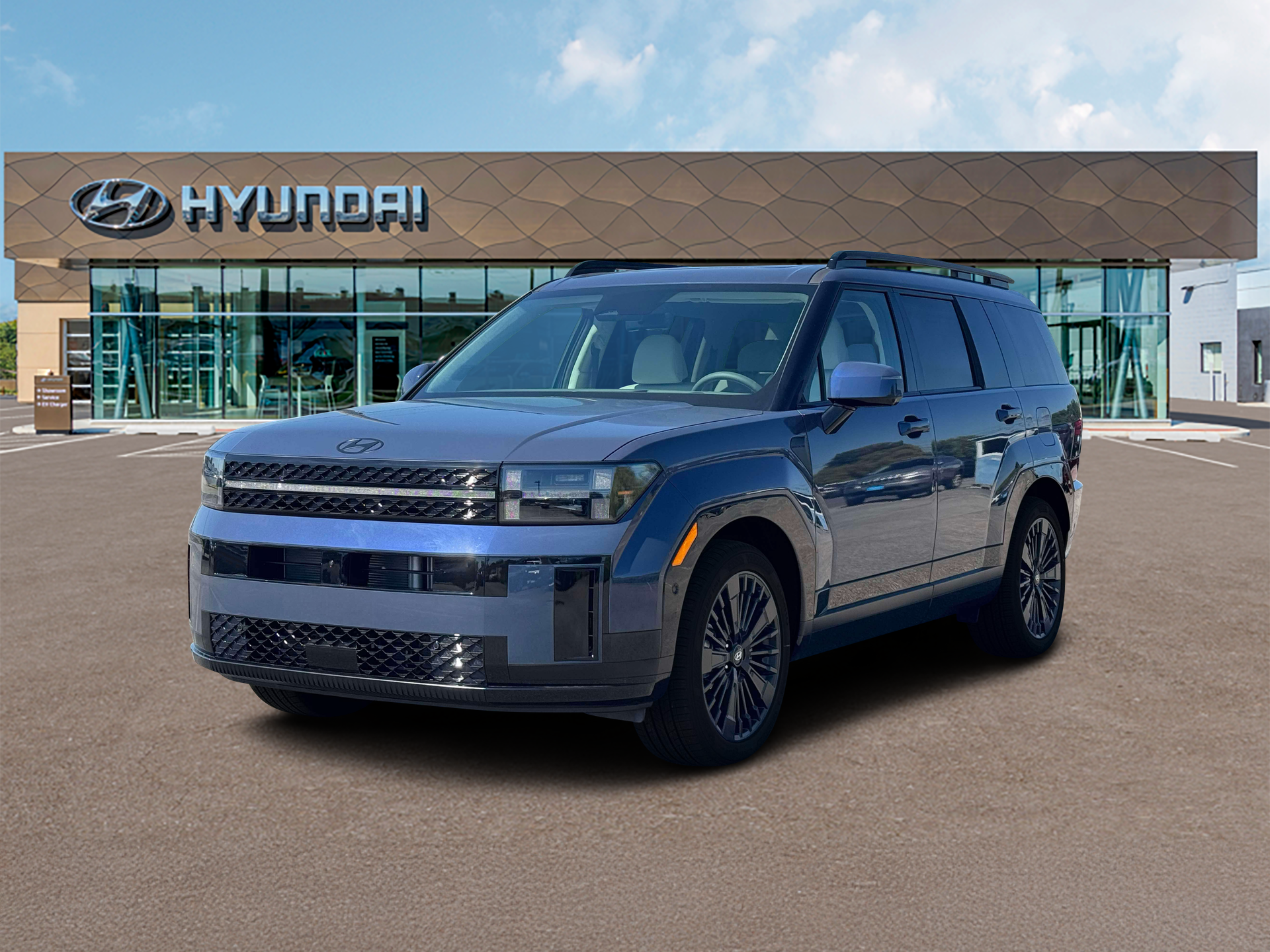
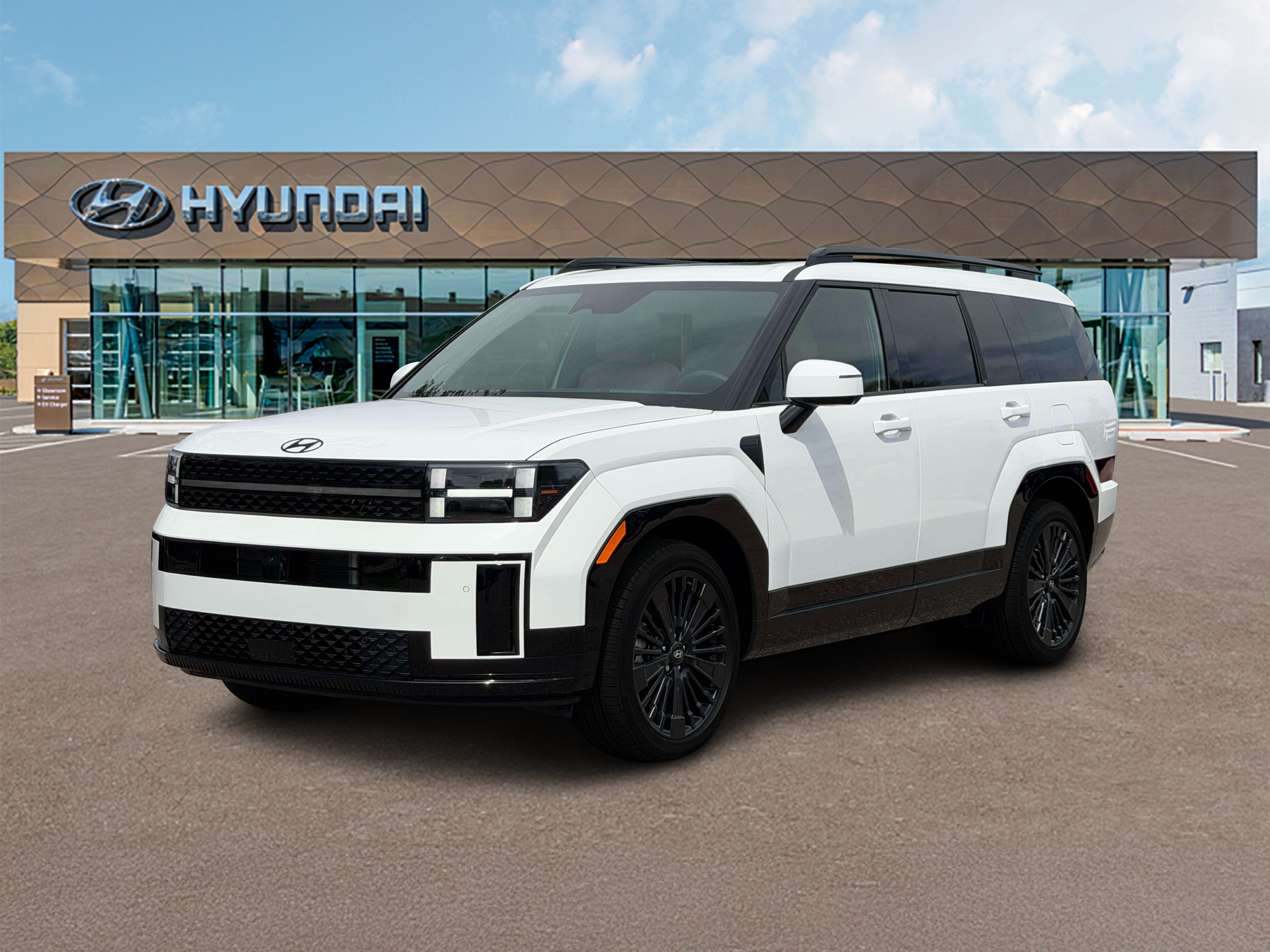
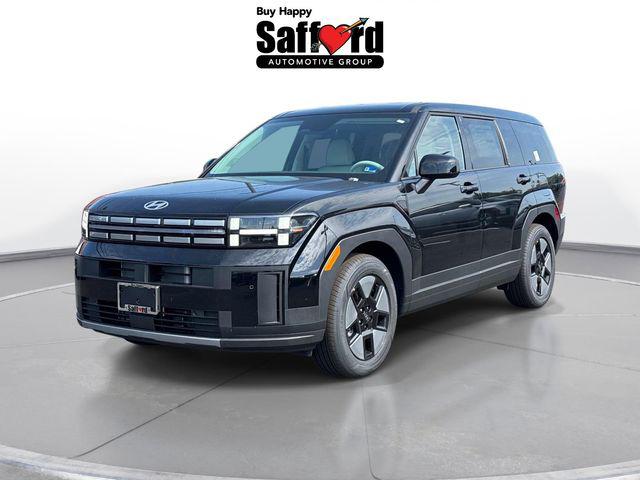
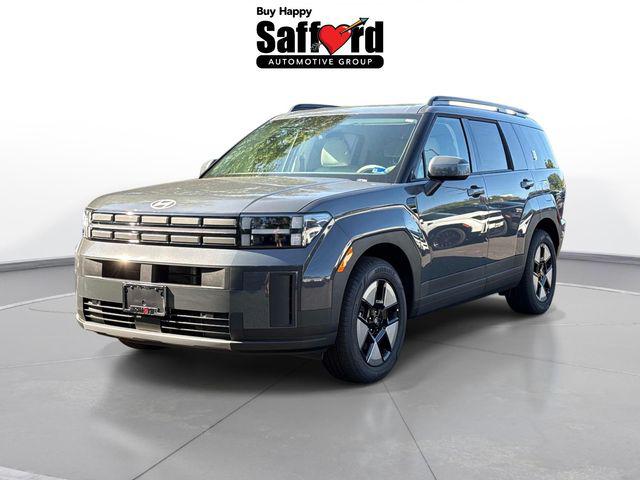
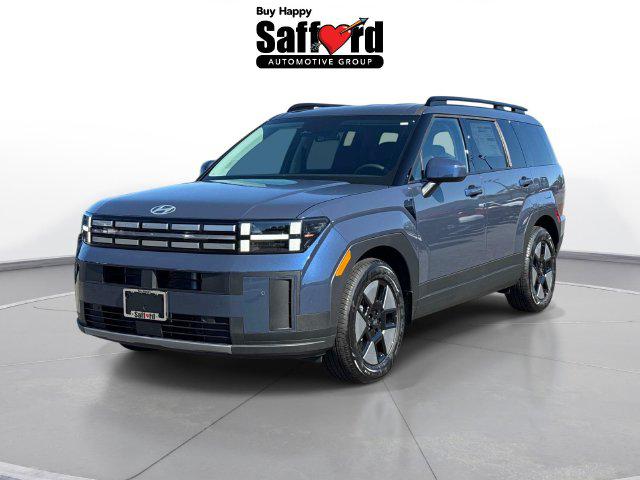
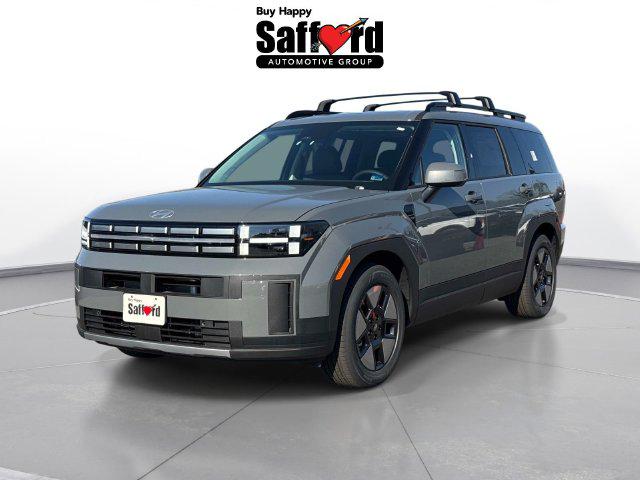
Frequently Asked Questions about New Hyundai Santa Fe Hybrid Fairfax, VA
Does the Santa Fe Hybrid still hold three rows of passengers?
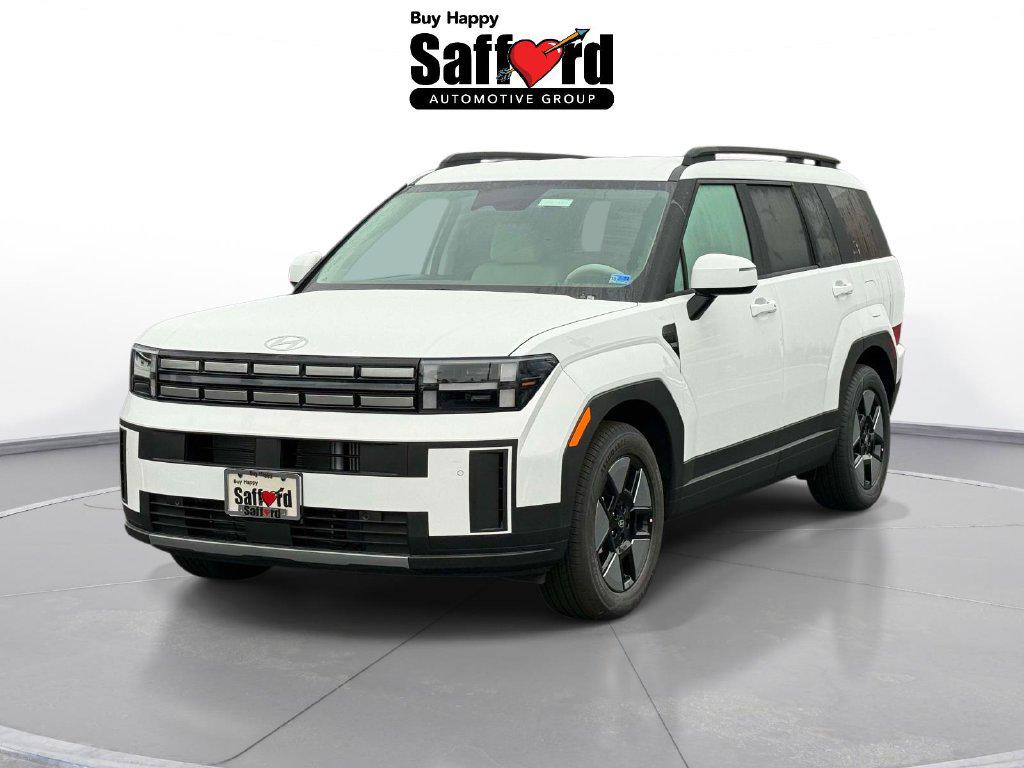
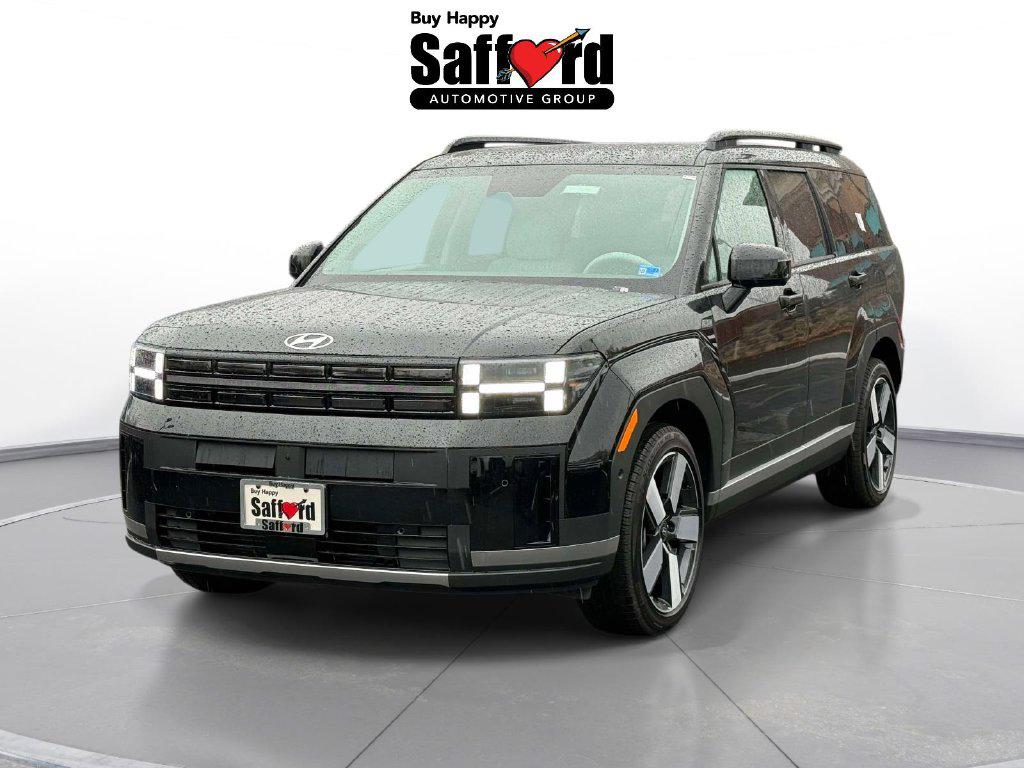
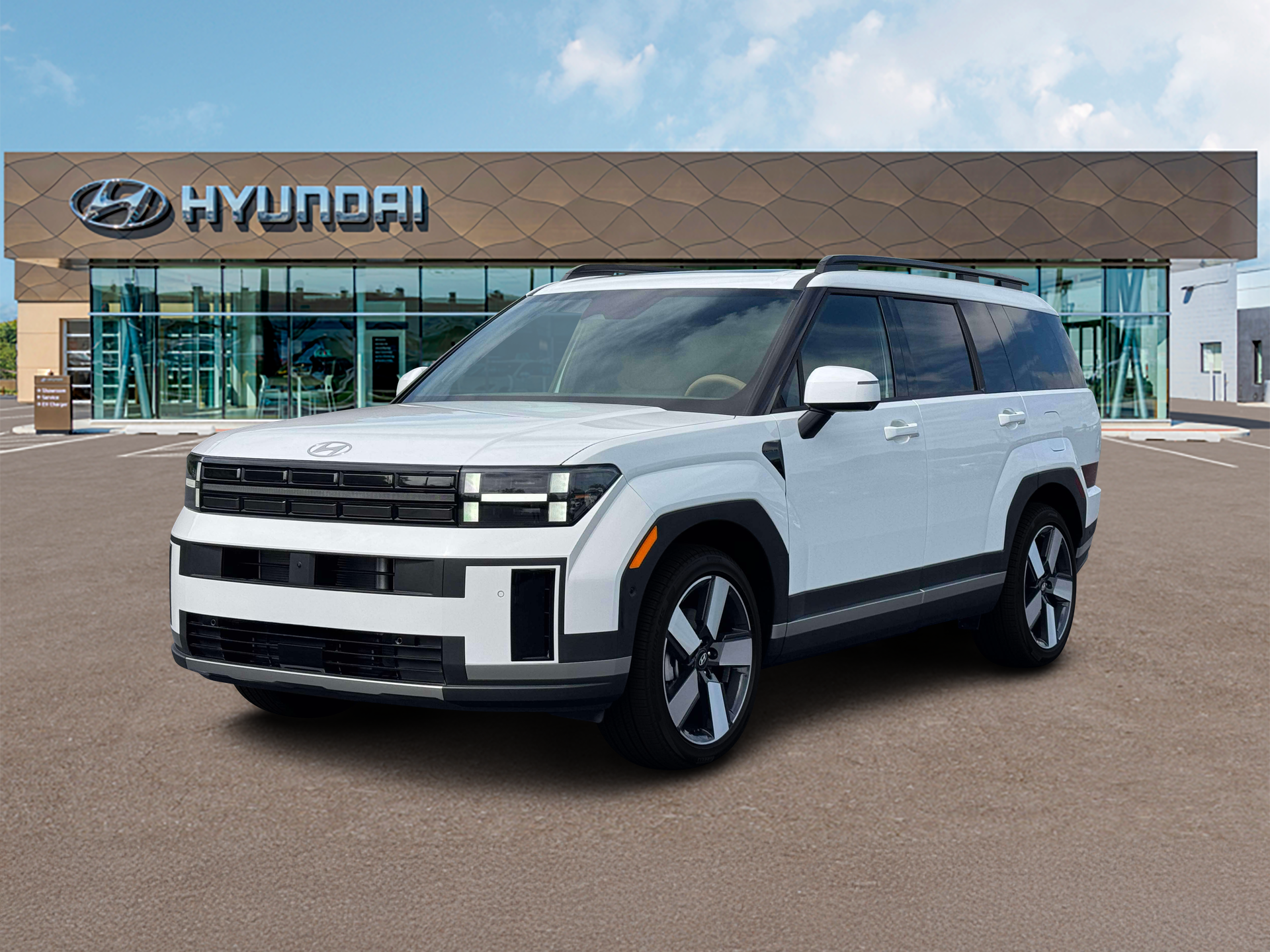
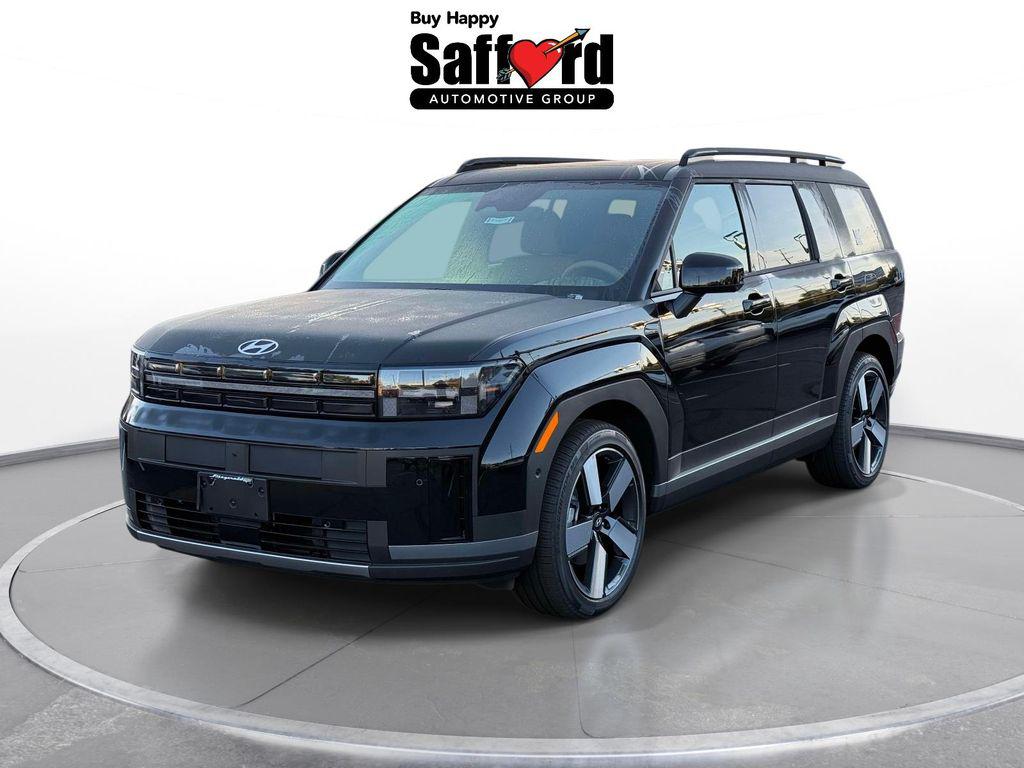
Seating arrangements vary by configuration, so the number of rows depends on which one you choose. Deciding your seat count before shopping narrows the list considerably. Seeing the layouts parked together makes the difference immediate.
Do I lose cargo space compared with the standard version?
Measure the opening rather than trusting the volume figure, because a square hold and a sculpted one can quote the same number and behave completely differently. Bring the bulkiest thing you regularly carry. Any packaging difference between versions is minor next to that.
Is the fuel saving still there when the vehicle is fully loaded?
That is where the hybrid system earns its place, since weight and frequent stopping are the conditions it was designed around. A loaded family SUV is exactly the use case that benefits. An empty test drive genuinely understates it.
How long will I realistically keep a vehicle like this?
Families tend to keep three row SUVs longer than anything else they buy, often until the children no longer need the seats. That makes the length of the warranty coverage more valuable than the eventual trade figure. It is worth factoring into which term you choose.
Should I test drive it with my family in the car?
Yes. Nothing else you do during the visit is as informative. Third row access, second row comfort and the cargo area all get judged differently when the people who use them are present, so tell us in advance and there will be time for it.
Have Additional Questions?
There are two straightforward ways to reach somebody here about a specific vehicle.
A call is quickest for checking what is on the ground, while a written message works better for questions about configurations and equipment.
Either way you are speaking with people who see these vehicles every day rather than a central office.
Load It Up and the Efficiency Holds
Judge this vehicle the way you will actually use it, which is full. A family SUV carrying six people and a weekend of luggage is a different proposition from the same vehicle carrying one person to the store, and most efficiency conversations quietly assume the second one.
What the hybrid system does here is soften the penalty that comes with a full vehicle. Weight and stop-start driving are exactly the conditions where it contributes most, so the gap between an empty run and a loaded one narrows.
- Efficiency that stays sensible with the third row occupied
- Long stretches between fuel stops on a loaded weekend trip
- Fuel use less punished by the constant stopping of local errands
Around Fairfax that translates into fewer interruptions on the drive west for a weekend, and a fuel bill that does not spike in the months when the vehicle is busiest. Those are the two things families notice first.
Bring the family and the gear when you come to Safford Hyundai Fairfax. A test drive with an empty vehicle tells you almost nothing about how this one will behave.
The Cargo Area Is Squared Off on Purpose
Look at the shape of the space rather than the volume claimed for it. The rear of this SUV is deliberately upright and square, with a wide tailgate opening and vertical sides that let boxes and coolers sit flat instead of wedging at angles.
That geometry is worth more in daily use than a larger but more sculpted cargo hold. Rear doors that open unusually wide make the same difference for anyone lifting a child seat in and out.
- An upright cargo opening that takes boxes without angling them
- Rear doors that swing wide for child seats and bulky items
- A third row that folds away flat when the space is needed
Trims arrive with different seating arrangements, and the second row layout changes how somebody reaches the back. Decide which you need before you look at equipment lists, because that choice constrains the rest.
Measure the thing you always struggle to fit and bring it along. Cargo numbers on paper have never resolved that question for anybody.
Come With the Seating Question Already Settled
The most useful preparation is deciding how many seats you genuinely need before you arrive. That single answer eliminates roughly half the configurations and makes the visit far shorter.
After that the shopping is about equipment rather than architecture. Park the two nearest configurations together and you can sort out for yourself which features earn their place.
- Seat count decided in advance to narrow the trim list
- Two closest configurations staged together for comparison
- Time in the second and third rows, not just the driver's seat
Sit in the third row yourself even if you never plan to ride there. Knowing what you are asking of a passenger changes how you think about the vehicle, and it takes thirty seconds.
Nobody here is going to hurry that. A vehicle this size is usually kept for years, and the seating decision is the one people regret getting wrong.
Buying Something You Intend to Keep
Vehicles this size get kept longer than most. Families buy them around a child's age rather than around a trade cycle, and they often stay in the driveway until that child is driving themselves.
That reshapes the financing conversation. A longer intended ownership makes a longer warranty genuinely valuable, and it makes the resale question far less important than it would be on a three year hold.
- A term chosen around your real ownership horizon
- Coverage that outlasts the years most buyers plan for
- Resale treated as secondary when the hold is a decade
Hyundai backs these vehicles with an unusually long powertrain warranty, and on a vehicle you intend to hold for years that is worth more than a slightly better trade figure later. Weigh it that way rather than as a footnote.
Tell us how long you expect to own it. That single answer changes which term and which trim we would point you toward.
What Fairfax Roads Do to a Family SUV
Driving around here is a mixture of tight residential streets, hilly side roads and short hops between them. That pattern is hard on fuel economy in a large vehicle and it is precisely the pattern a hybrid handles well.
Four real seasons add the other consideration. Cold mornings, humid summers and the occasional ice event all ask something of a vehicle, and the cabin comfort features matter more here than in a milder climate.
- Heated and ventilated seating available on selected trims
- Cabin insulation that keeps a full vehicle civil on a long drive
- Ride tuning that copes with uneven older residential pavement
Ride comfort over broken pavement is worth checking deliberately, since it is the thing you notice on every trip and the thing nobody thinks to test. Composed and busy feel very similar on new asphalt.
Ask Safford Hyundai Fairfax for a route with some rough surface in it. Odd request, considerably better informed decision.
Come drive one loaded rather than empty, with the people who ride with you in their usual seats. No other version of this test drive tells you anything.